


Description
This intensive teacher training course is designed for educators who want to cultivate personal well-being, enhance resilience, and prevent burnout in their demanding profession. Through a blend of theoretical insights, practical mindfulness exercises, and engaging outdoor activities, participants will acquire effective strategies to manage stress, foster a positive mindset, and create a more supportive learning environment for themselves and their students. The course emphasizes experiential learning, encouraging teachers to connect with nature and integrate mindful practices into their daily lives and professional routines.
This Erasmus+ teacher training course is a KA1 teacher training in the beautiful Mediterranean city of Split, Croatia. You’ll learn practical ways to manage stress, think more positively, and create a calmer classroom for everyone. Enjoy the course surrounded by stunning nature, park forest, beaches, and quiet parks with breathtaking views of the sea and nearby islands. The course focuses on learning by doing, helping you connect with nature and bring mindful habits into your daily life and teaching.
Target Audience
This course is ideal for teachers, school leaders, educational staff, and anyone working in the education sector who wishes to enhance their personal well-being, develop resilience, and integrate mindfulness practices into their professional and personal lives.
Methodology
The course employs a highly interactive and experiential methodology, combining:
- Interactive Workshops: Group discussions, case studies, and practical exercises
- Guided Mindfulness Practices: Daily meditation, body scans, and mindful movement
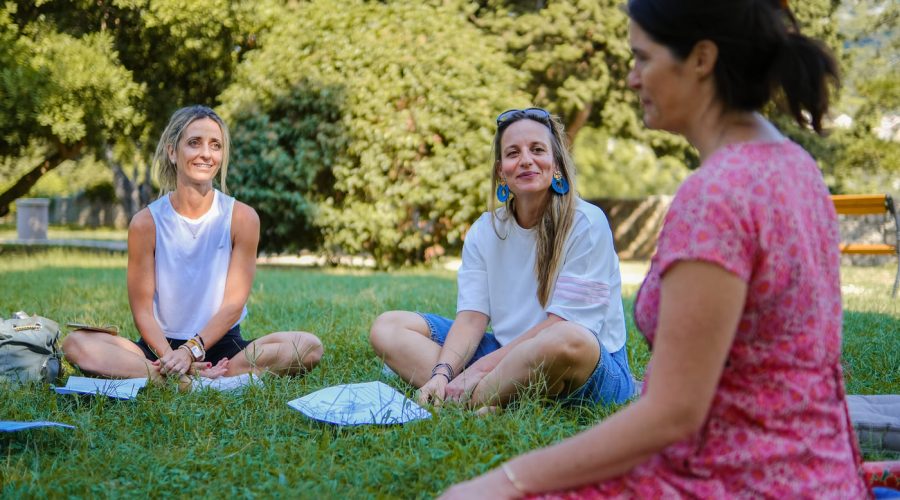
- Outdoor Experiential Learning: Nature walks, forest bathing, and outdoor team activities
- Reflective Practices: Journaling, peer sharing, and personal action planning
- Expert Facilitation: Led by experienced trainers in mindfulness, resilience, and education
Learning outcomes
Upon successful completion of this course, participants will be able to:
- Understand the foundational principles of mindfulness and resilience and their relevance to educator well-being
- Identify personal and professional stressors and develop effective coping mechanisms
- Practice a range of mindfulness techniques, including meditation, mindful movement, and sensory awareness
- Integrate outdoor and nature-based activities to promote relaxation, focus, and emotional regulation
- Develop strategies for fostering a positive mindset and enhancing self-compassion
- Apply resilience-building techniques to navigate challenges and adapt to change in the educational setting
- Design and implement mindfulness and well-being practices within their classrooms to support student mental health and learning
- Create a personal action plan for sustained well-being and burnout prevention
Tentative schedule
Day 1 – Introduction to the course
- Welcome event; presenting participants, their schools, cities, countries
- Presenting host organization and the city
- Getting to know each other: Icebreakers
- Introduction to the course and the schedule
- The importance of well being, introduction to mindfulness
Day 2 – Foundations of Mindfulness and Well-being
- Understanding Educator Burnout and Stress: Causes, symptoms, and impact
- Introduction to Mindfulness: History, principles, and benefits for teachers
- Guided Mindfulness Meditation: Cultivating present moment awareness
- Group Reflection: Sharing initial experiences and observations
Day 3 – Cultivating Resilience and Emotional Intelligence
- What is Resilience? Exploring its components and importance
- Emotional Intelligence for Educators: Recognizing and managing emotions
- Mindful Communication: Enhancing interpersonal relationships
- Outdoor Team-Building Challenge: Fostering collaboration and problem-solving
- Journaling in Nature: Reflecting on emotional responses and strengths
Day 4 – Stress Reduction and Positive Psychology
- Stress Management Techniques: Practical tools for daily application
- Introduction to Positive Psychology: Focusing on strengths and gratitude
- Self-Compassion Practices: Nurturing kindness towards oneself
- (Shinrin-yoku) Experience: Deep relaxation and connection with nature
Day 5 – Integrating Mindfulness into the Classroom and Daily Life
- Mindfulness for Students: Age-appropriate activities and lesson integration
- Creating a Mindful Classroom Environment: Practical tips and strategies
- Overcoming Obstacles: Addressing challenges in implementing new practices
- Outdoor Classroom Design Workshop: Brainstorming nature-based learning activities
- Mindful Movement in Nature: Gentle yoga and stretching exercises
Day 6 – Sustaining Well-being and Future Planning
- Peer Coaching and Support: Building a community of resilient educators
- Review of Key Learnings: Consolidating knowledge and skills
- Reflective Walk and Vision Board Creation (Outdoors): Visualizing future well-being
Day 7 – Review of Key Learnings: Consolidating knowledge and skills
- Developing a Personal Well-being Plan: Goal setting and resource identification
- Course closure and evaluation
Specifics

Request Info
Questions before you register?
We'll answer anything about the course or practical details.
"*" indicates required fields