


Description
“You can’t pour from an empty cup.”
Teachers need a break. A break from school, from responsibilities, from constant pressure, and from the hundreds of small and difficult decisions they make every day.
They need time to reset.
To be great teachers and create a positive classroom atmosphere, educators need more than knowledge and professional skills. They need resilience, emotional balance, and the ability to take care of their own well-being and mental health.
And what better place to reconnect with yourself than in nature?
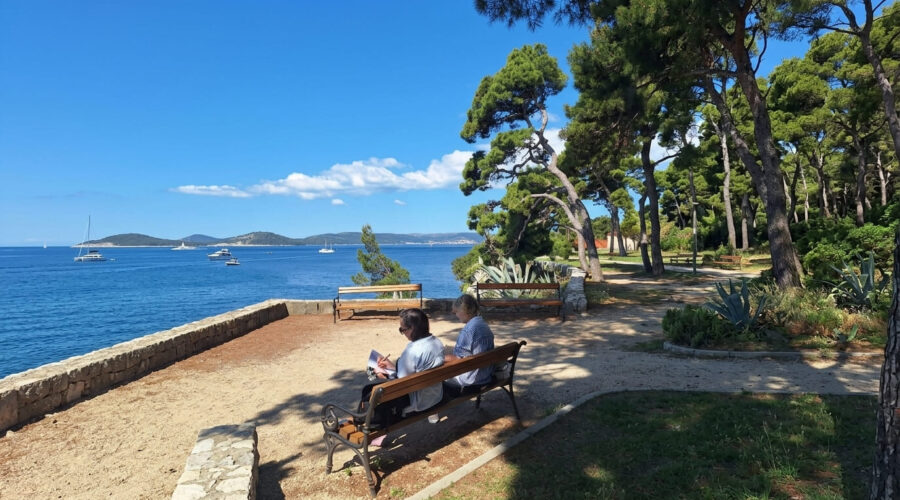
This course takes educators outside the traditional classroom and into parks, gardens, beaches and forest parks, where the natural environment becomes part of the learning experience. Participants will slow down, move, reflect and explore practical strategies for managing stress, improving focus and building resilience.
Mindfulness plays an important role throughout the course. Participants will discover how mindfulness can support mental health and well-being, help them deal with stressful situations, improve concentration and become less absent-minded in everyday life.
But being mindful is more than simply “being present”.
It means learning to notice what is happening within us and around us, recognising our reactions, understanding our emotions and choosing how we respond. It also means developing the ability to pause when life becomes overwhelming.
Nature can make this process easier. Its sounds, colours, textures and movement invite us to slow down and pay attention. The sound of the sea can become part of a breathing exercise. A walk among the trees can become a moment of reflection. A quiet space in a garden can become a place for journaling. Even a yoga session by the sea can help participants reconnect with their body, breathing and surroundings.
Throughout the course, participants will use mindfulness, journaling, movement, reflection and nature-based activities to explore their own sources of stress and discover practical ways to restore balance and prevent burnout.
An equally important part of the course is learning how to bring these practices back to school. The idea is simple: first experience it yourself, then learn how to share it with your students.
By learning to recognise stress, regulate emotions, improve attention and reconnect with the world around us, educators can create healthier habits for themselves and more positive learning environments for their students.
This course is an opportunity to step away from the usual rhythm, spend time in nature, reconnect with yourself and return to school with practical tools for well-being, resilience, mindfulness, stress management and burnout prevention.
Because before we can pour energy, patience and support into others, we need to make sure our own cup is not empty.
Learning outcomes
The course will help the participants to:
- Understand the importance of teacher well-being and resilience.
- Recognise personal stress triggers and early signs of burnout.
- Apply mindfulness techniques for stress management and emotional balance.
- Use journaling as a tool for reflection and self-awareness.
- Practise grounding, breathing and sensory awareness techniques.
- Explore how nature can support mental health and well-being.
- Improve focus, attention and emotional regulation.
- Apply self-compassion strategies in demanding situations.
- Adapt mindfulness and well-being activities for students.
- Create simple classroom routines that support SEL and positive learning environments.
Tentative schedule
Day 1 – Welcome, Connect and Reset
- Welcome event and introduction to Platform21
- Icebreakers and getting to know participants from different countries
- Introduction to Split and the local environment
- Exploring teacher well-being, mental health and resilience
- Recognising personal sources of stress and signs of emotional overload
- Setting personal intentions for the week
Day 2 – Mindfulness in Nature
- Understanding mindfulness and its role in well-being and mental health
- Mindful walking in a park or forest environment
- Breathing, grounding and sensory awareness activities
- Exploring nature through sounds, colours, textures and movement
- Improving focus and reducing absent-mindedness through mindfulness
- Reflection and guided nature journaling
- Guided walking tour
Day 3 – Stress Management and Burnout Prevention
- Understanding stress and how it affects the body, emotions and behaviour
- Recognising personal stress triggers and early signs of burnout
- Practical strategies for responding to stressful situations
- Self-compassion and creating healthier expectations of ourselves
- Developing personal routines for balance, recovery and emotional well-being
- Outdoor reflection and journaling
Day 4 – Movement, Balance and Well-Being
- Exploring the connection between physical movement and emotional well-being
- Gentle outdoor movement and relaxation activities
- Yoga and breathing practice by the sea
- Using movement to release tension and improve concentration
- Finding balance between professional responsibilities and personal needs
- Mindful time in a natural environment
Day 5 – Social Emotional Learning Outdoors
- Understanding the connection between teacher well-being and student well-being
- Developing self-awareness, empathy and emotional regulation
- Outdoor activities for communication, trust and connection
- Using nature to support social emotional learning
- Collaborative activities and reflection
- Creating positive and emotionally safe learning environments
Day 6 – Bringing Mindfulness into the Classroom
- Adapting mindfulness practices for different age groups
- Short breathing and grounding activities for classroom use
- Journaling and reflective activities for students
- Strategies for helping students manage stress, emotions and attention
- Creating simple classroom routines that support calm and focus
- Designing a practical well-being activity to use at school
Day 7 – Reflect, Reconnect and Take It Home
- Outdoor reflection on the learning experience
- Reviewing personal well-being and resilience strategies
- Creating an individual well-being and burnout-prevention plan
- Sharing classroom ideas and good practices with other participants
- Course evaluation and reflection
- Certification, final gathering and closing activities
Available Dates
| Location | Date |
|---|---|
| Split |
1789948800
21 Sep 2026 |
| Split |
1791072000
4 Oct 2026 |
| Split |
1791158400
5 Oct 2026 |
| Split |
1792281600
18 Oct 2026 |
| Split |
1792368000
19 Oct 2026 |
| Split |
1793491200
1 Nov 2026 |
| Split |
1793577600
2 Nov 2026 |
| Split |
1794700800
15 Nov 2026 |
| Split |
1794787200
16 Nov 2026 |
| Split |
1795910400
29 Nov 2026 |
| Split |
1795996800
30 Nov 2026 |
| Split |
1797120000
13 Dec 2026 |
| Split |
1797206400
14 Dec 2026 |
| Split |
1800748800
24 Jan 2027 |
| Split |
1803168000
21 Feb 2027 |
| Split |
1805587200
21 Mar 2027 |
| Split |
1806796800
4 Apr 2027 |
| Split |
1808006400
18 Apr 2027 |
| Split |
1809216000
2 May 2027 |
| Split |
1810425600
16 May 2027 |
| Split |
1814054400
27 Jun 2027 |
| Split |
1815955200
19 Jul 2027 |
| Split |
1816473600
25 Jul 2027 |
| Split |
1818892800
22 Aug 2027 |
| Split |
1821312000
19 Sep 2027 |
| Split |
1823731200
17 Oct 2027 |
| Split |
1826150400
14 Nov 2027 |
| Split |
1828569600
12 Dec 2027 |
Specifics

Request Info
"*" indicates required fields